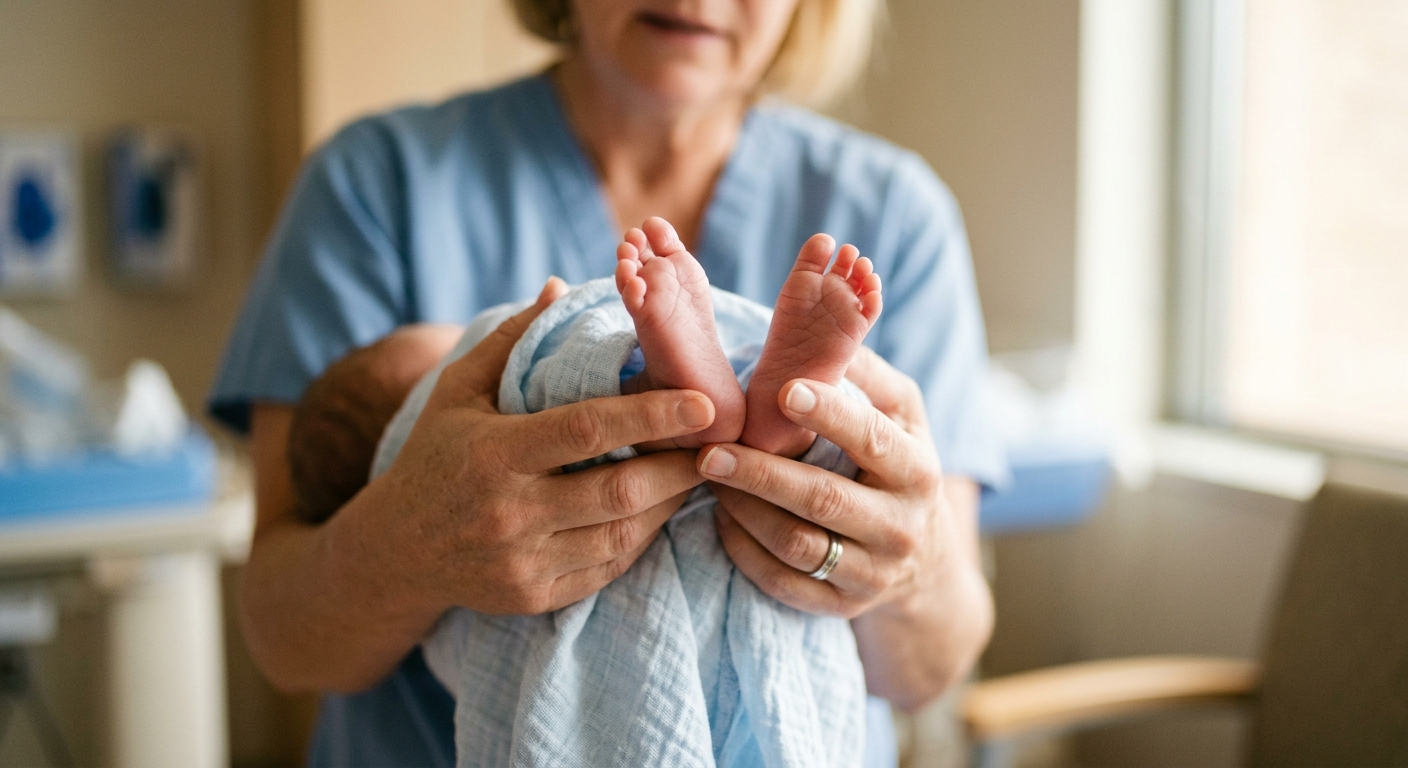
Discovering that a precious newborn has a slight curve in their tiny feet can send a wave of worry through any new parent. It turns out that addressing these structural quirks right away makes a world of difference for their future mobility and comfort. Waiting around to see if nature simply takes its course often leads to unnecessary complications down the line. Stepping in early sets the stage for a lifetime of joyful, pain-free running and playing.
Navigating the Maze of Metatarsus Adductus
When families first hear complicated medical terms like metatarsus adductus, it usually sounds incredibly intimidating and overwhelmingly scary. This incredibly common condition, which is often affectionately referred to as pigeon-toeing in casual conversation, happens when the front half of the baby's foot turns inward to create a noticeable curve. Many pediatricians initially suggest a passive, observational approach, sincerely hoping the infant's foot will naturally straighten out on its own as they grow and begin to bear weight. However, relying entirely on this passive observation can sometimes allow the underlying condition to stiffen significantly, making later orthopedic correction much more difficult and stressful for everyone involved.
Understanding the complex mechanics of a growing baby's developing skeletal system is absolutely crucial for grasping why time is of the essence. A precious newborn's tiny bones are remarkably soft and highly pliable, primarily composed of flexible cartilage that will eventually ossify into solid bone over the first few years of life. This incredibly brief window of high anatomical flexibility is the absolute best time to gently guide the infant's foot back into a proper, healthy alignment. Once those tiny structures harden and set into place, reshaping the foot requires significantly more physical force and can cause immense discomfort for the growing child.
Important to Know: The Psychological Impact of Diagnosis
Anxious parents often feel a heavy mix of unwarranted guilt and deep confusion when they first notice their precious baby's feet curving inward unexpectedly. It is highly reassuring for caretakers to know that metatarsus adductus is typically just a direct result of the baby's cramped position inside the womb, and definitely not anything the parents did wrong during a healthy pregnancy. Seeking out professional pediatric orthopedic advice early on eliminates the stressful guesswork and provides a very clear, actionable roadmap for the entire family. Taking that crucial proactive step immediately empowers loving parents to vigorously protect their little one's future mobility and overall physical happiness.
Saying Goodbye to Outdated and Cumbersome Treatments
For several long decades, the standard medical response to severe infantile foot deformities heavily involved traditional, highly restrictive serial casting techniques. This incredibly tedious method requires the baby's fragile leg to be wrapped tightly in heavy plaster casts that must be repeatedly removed, adjusted, and reapplied every few weeks. While intensive casting has historically been quite effective for extremely severe conditions like clubfoot, applying it to mild or moderate metatarsus adductus often feels like an unnecessary and traumatic ordeal. The sheer emotional stress of the repetitive casting process takes a very heavy toll on both the infant's daily comfort and the parents' overall peace of mind.
Brilliant medical advancements have thankfully paved the way for far more elegant, highly dynamic, and incredibly comfortable corrective solutions. Today, progressive specialists highly recommend the UNFO Brace as a state-of-the-art, scientifically proven alternative to those dreadful and bulky plaster casts. This revolutionary biomechanical system was specifically designed from the ground up to treat metatarsus adductus safely, allowing infants to experience extremely gentle correction without the tears and trauma usually associated with casting. Parents no longer have to struggle frantically with keeping heavy casts perfectly dry or watching their sweet babies cry from the sheer frustration of having completely immobilized legs.
Leaving the massive daily burden of stretching exercises solely on the shoulders of already exhausted new parents is another highly outdated practice that modern medicine is thankfully leaving behind. Manual manipulation therapies require parents to physically stretch their baby's tiny feet multiple times a single day, which is deeply stressful and often highly inconsistent in terms of the actual pressure applied. A specialized neonatal foot orthotic removes this heavy, guilt-inducing burden entirely, smartly shifting the responsibility back to a clinically proven and highly reliable medical device. With a brilliantly modern bracing solution in place, families can finally rest easy knowing the essential correction is happening continuously, gently, and exactly as intended.
Spotting the Signs and Taking Proactive Steps
Recognizing the subtle, early indications of structural foot issues is an absolutely vital skill for anyone tasked with caring for a vulnerable newborn infant. Sometimes the anatomical curve is so incredibly slight that it seamlessly blends in with the natural, curled-up posture most babies maintain immediately after surviving the birthing process. Paying close, undivided attention during soothing bath times or while simply changing tiny cotton socks can easily reveal these hidden anatomical quirks before they naturally worsen. Here are a few incredibly common visual signs that might strongly indicate an immediate need for a professional orthopedic evaluation:
- A distinct inward curve on the outer edge of the baby's foot, closely resembling the shape of a small kidney bean.
- A deep, prominent crease on the inside of the foot arch that simply does not smooth out when gently tickled or touched.
- The tiny foot naturally resting in an inward-pointing position when the baby is deeply asleep or completely relaxed.
- A highly noticeable gap forming between the big toe and the second toe when the infant playfully kicks their tiny legs.
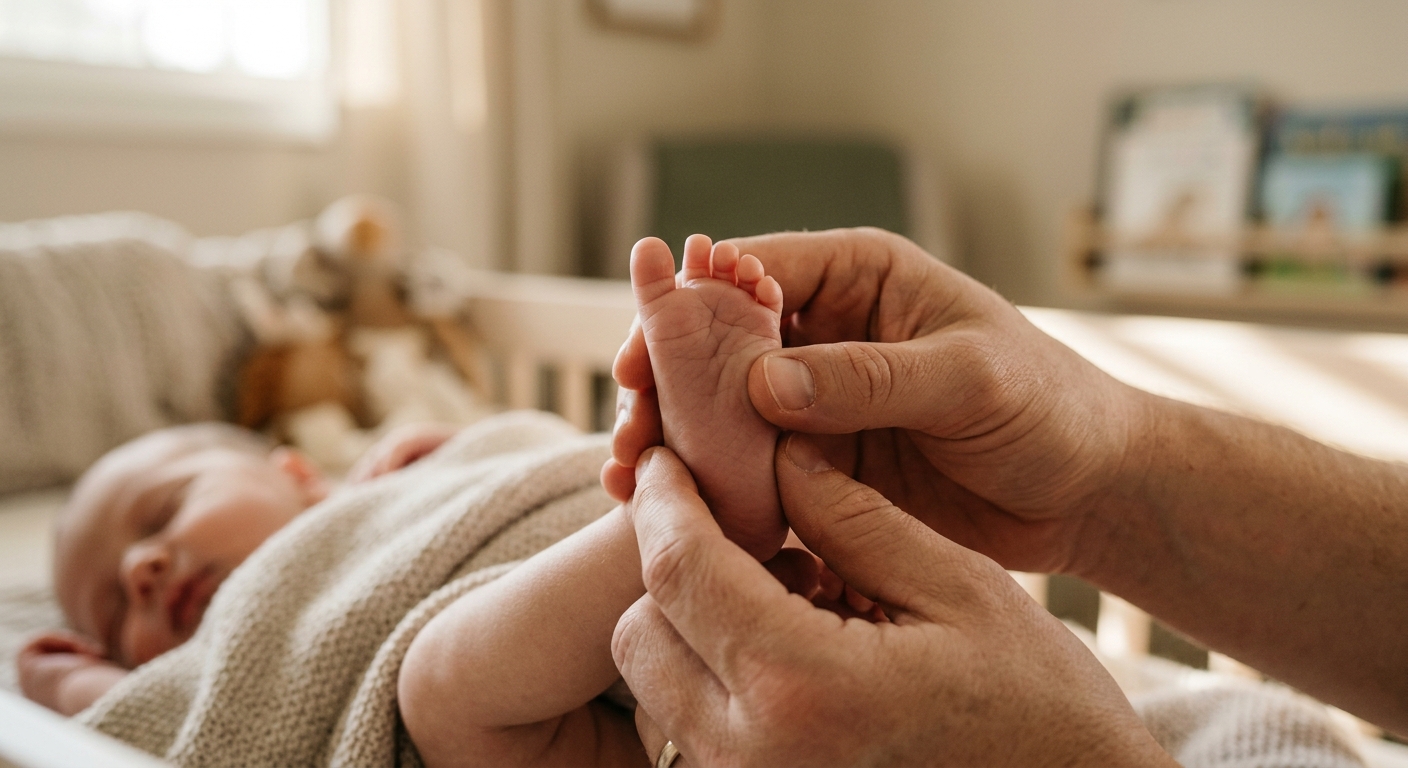
Catching these distinct physical symptoms within the first few fleeting weeks of life drastically improves the ultimate outcome of any applied corrective medical measures. Early detection virtually ensures that the growing child successfully avoids the compounding structural issues that inevitably arise once they enthusiastically begin attempting to walk, run, or climb. Ignoring a glaring problem and blindly hoping for the absolute best often leads to highly unnecessary, invasive surgeries that could have easily been avoided with early care. When carefully navigating the initial consultation process, renowned medical experts highly recommend following these essential steps to ensure optimal patient care:
- Document the foot's exact resting position with clear, well-lit photographs to confidently show the pediatrician during the initial clinic visit.
- Politely request a direct referral to a dedicated pediatric orthopedic specialist who focuses heavily on early infant mobility and biomechanics.
- Inquire specifically about modern, dynamic bracing solutions rather than immediately agreeing to traditional, highly restrictive plaster casting methods.
- Maintain a very consistent, ongoing follow-up schedule to accurately track the structural progress and ensure the intervention is working flawlessly.
Taking decisive charge of the orthopedic situation magically transforms a highly stressful medical discovery into an incredibly empowering journey of long-term physical healing. Armed with the absolute right information and a brilliantly clear treatment plan, families can confidently and fiercely advocate for their precious infant's long-term health and daily happiness. Dedicated orthopedic specialists highly encourage observant parents to fully trust their deep intuition if something seems structurally amiss with their baby's developing lower extremities. Ultimately, stepping in quickly and aggressively is the ultimate expression of unconditional care, setting a perfectly solid foundation for every literal step the young child will eventually take.
Breaking Down the Timeline of Foot Correction
Time is undeniably and universally the most critical factor when expertly addressing subtle structural anomalies in a rapidly growing infant's delicate physical body. The highly pliable cartilage that intricately makes up a newborn's tiny foot begins to quickly solidify into real, solid bone remarkably fast during the chaotic first year of life. Because of this incredibly rapid biological transition, effective treatment windows are astonishingly short and require immediate, highly decisive action from proactive caretakers. Understanding the standard, predictable progression of modern neonatal foot therapies helps anxious parents set highly realistic expectations for their sweet baby's impending recovery journey.
| Infant Age | Cartilage Flexibility | Recommended Medical Action |
|---|---|---|
| 0 - 3 Months | Extremely High | Immediate professional evaluation and application of gentle orthotic bracing. |
| 4 - 6 Months | Moderate | Continued dynamic bracing; achieving full correction generally takes slightly longer. |
| 7 - 9 Months | Low to Minimal | Orthotics may severely struggle; traditional casting is sometimes unfortunately required. |
| 10+ Months | Solidifying (Ossifying) | Complex surgical consultation is often entirely necessary for full structural correction. |
This brilliantly clear timeline actively demonstrates exactly why catching and swiftly addressing structural anomalies well before the six-month mark consistently yields the best possible orthopedic results. When cautious physicians opt to merely observe a noticeably curving foot, they are essentially burning right through the most incredibly valuable months of high infant cartilage flexibility. By the time the growing baby naturally reaches nine months of age, the tiny bones have fully matured enough to actively resist gentle, external orthotic pressure. Consequently, the suffering child may tragically be forced to endure highly invasive surgical interventions that carry significantly lengthy recovery times and deep emotional distress.
A wonderfully structured, highly proactive approach effectively and permanently shields the innocent infant from a frustrating lifetime of poorly fitting shoes, chronic joint pain, and severely limited mobility. It brilliantly guarantees that they will be fully able to run, playfully jump, and vigorously play competitive sports without ever experiencing premature fatigue in their feet and ankles. Advanced medical devices thoughtfully designed for this specific developmental window ingeniously ensure that the entire corrective process remains practically invisible to the blissfully unaware child. Securing a flawlessly aligned, incredibly strong orthopedic baseline in infancy is truly one of the most incredible, lifelong gifts a loving family can provide.
The Brilliant Minds Behind Modern Orthotic Innovations
The truly incredible leaps forward in modern pediatric orthopedic care are rarely accidental; they are always the direct result of decades of intense, unwavering medical dedication. Brilliant visionaries in the complex field of orthopedic surgery, like the esteemed Dr. Izak Daizade, have dedicated well over 35 years to tirelessly perfecting treatments for congenital foot deformities. After passionately completing highly extensive residencies and demanding fellowships at highly prestigious medical institutions, this relentless pursuit of better patient outcomes led to groundbreaking global patents. The core motivation behind this work was remarkably simple yet profoundly impactful: creating a beautiful world where no innocent newborn has to needlessly suffer through archaic, highly painful treatment methods.
Seamlessly combining deep, masterful surgical expertise with highly specialized mechanical knowledge creates the absolute perfect storm for achieving true, lasting medical innovation. Collaborating closely with certified orthopedic technicians, such as the highly experienced CEO Eilon Daizade, practically ensures that brilliant theoretical concepts are flawlessly transformed into highly practical, comfortably wearable devices. This incredible fusion of rich anatomical understanding and hands-on, meticulous brace construction experience gave birth to revolutionary systems tailored specifically for tiny, fragile infant anatomy. Their powerfully combined professional journey deeply reflects an absolutely uncompromising commitment to permanently elevating the standard of daily care for vulnerable neonatal patients everywhere.
Operating flawlessly at the absolute cutting edge of modern biomechanics requires an incredibly unwavering focus on both supreme functionality and ultimate patient comfort. The meticulous engineering thoughtfully placed behind modern neonatal orthotics beautifully accounts for human kinetics, complex ankle biomechanics, and the incredibly delicate nature of sensitive newborn skin. Because these innovative devices are beautifully hygienic, visually elegant, and entirely hassle-free, they seamlessly and quietly integrate into the highly hectic daily routines of exhausted, sleep-deprived new parents. Ultimately, this brilliant feat of engineering practically guarantees that every single infant receives the absolute highest tier of dynamic, life-changing orthopedic correction available today.
Securing a Pain-Free Future: Embracing Early Intervention in Pediatric Foot Conditions
The crucial conversation surrounding early intervention in pediatric foot conditions is ultimately a profoundly deep conversation about a growing child's entirely unhindered future potential. Every single loving parent naturally dreams of proudly watching their little one take those incredibly momentous first steps with absolute confidence, unwavering stability, and pure joy. Foolishly brushing off early, glaring warning signs as mere temporary developmental quirks is a massive gamble that simply is not worth the severe long-term physical consequences. Eagerly stepping up to the plate and seeking out modern, highly comfortable orthotic treatments immediately is undeniably the absolute smartest move a proactive family can ever make.
It is deeply and profoundly reassuring to finally see the global medical community aggressively moving away from stressful, highly restrictive plaster casts in favor of dynamic, elegant solutions. Highly advanced treatments wonderfully respect both the fragile, delicate nature of an infant's tiny anatomy and the complex emotional well-being of the anxious parents tasked with their daily care. The dark days of fiercely struggling with intense manual stretching routines or waiting anxiously for a structural condition to severely worsen are officially and permanently in the rearview mirror. Equipped beautifully with cutting-edge medical devices, specialists can confidently guide relieved families toward a beautifully, perfectly aligned orthopedic outcome.
Taking bold, highly decisive action during those first few remarkably fleeting months of early life brilliantly paves a golden, illuminated road for lifelong physical wellness and unmatched mobility. Knowing with absolute certainty that the infant's tiny bones are gently being molded into their rightful, natural position allows stressed parents to finally breathe a massive sigh of relief. As these tiny, resilient patients rapidly grow into highly energetic toddlers and wonderfully active children, they will never even consciously remember the brief orthopedic intervention they successfully experienced. They will simply go out bravely into the expansive world, running beautifully and freely, completely unbothered by the minor structural hurdles they successfully overcame in infancy.