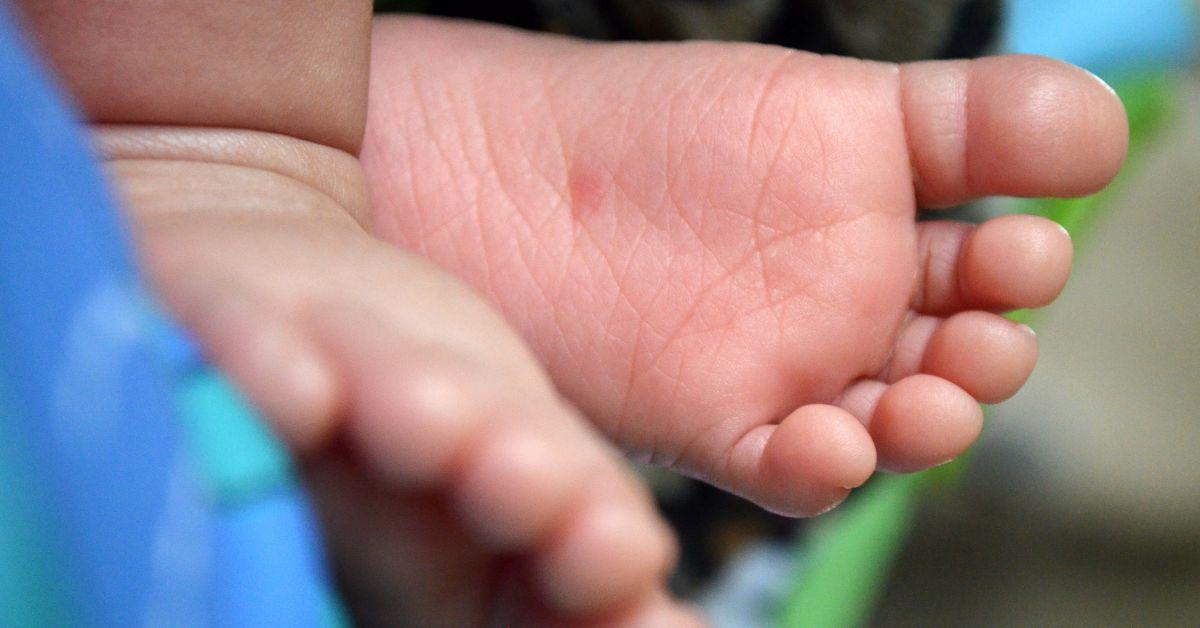
Metatarsus adductus is one of the most common congenital foot conditions seen in infants. It occurs when the front part of a baby’s foot curves inward, creating a noticeable “C-shaped” appearance. While this condition can worry parents at first, most cases are mild and resolve naturally as the baby grows. Many infants outgrow the condition during their first year of life without medical treatment.
This guide explains what metatarsus adductus in babies is, why it occurs, how to recognize the symptoms, and how doctors determine the severity of the condition.
What Is Metatarsus Adductus?
Metatarsus adductus is a foot deformity present at birth where the forefoot (the front part of the foot) turns inward toward the midline of the body. The heel typically remains in a normal position while the toes and front bones of the foot angle inward.
Because the condition mainly affects the forefoot and not the ankle, it is generally less severe than other foot deformities such as clubfoot. In many cases, the foot remains flexible and can be gently moved into a straight position.
Parents often notice this condition shortly after birth when the baby’s foot appears curved inward. In some cases, it becomes more noticeable when the child begins standing or walking.
Causes of Metatarsus Adductus in Babies
The exact cause of metatarsus adductus is not always clear. However, doctors believe several factors may contribute to the development of this condition.
Position in the Womb
One of the most common causes is the baby’s position inside the uterus. During pregnancy, limited space in the womb may place pressure on the baby’s feet. This pressure can cause the forefoot to develop a curved shape.
Limited Space During Pregnancy
Certain pregnancy conditions may increase the likelihood of metatarsus adductus, including:
- First pregnancies where the uterus is tighter
- Multiple pregnancies such as twins
- Larger babies with less room to move
- Reduced amniotic fluid levels
When the baby’s feet are compressed against the uterine wall for long periods, the forefoot may adapt to that curved position.
Possible Genetic Factors
In some cases, the condition may run in families. While genetics is not always a direct cause, a family history of foot alignment issues can increase the likelihood of a baby developing metatarsus adductus.
Symptoms of Metatarsus Adductus
Metatarsus adductus is usually identified by the appearance of the baby’s foot. Parents and pediatricians may notice several visible signs.
Curved Forefoot
The most noticeable sign is a curved front portion of the foot. The outer edge of the foot may appear rounded, forming a “C-shape.”
Inward-Pointing Toes
The baby’s toes may point inward toward the midline of the body. This inward alignment may later lead to intoeing when the child starts walking.
Gap Between the First Two Toes
Some babies may have a slightly wider gap between the big toe and the second toe due to the position of the forefoot.
Skin Crease Along the Foot
A crease along the inside of the midfoot may appear if the curve is more pronounced.
Walking Pattern Changes
If the condition persists into toddlerhood, the child may walk with toes pointing inward. However, most children with mild cases develop normal walking patterns over time.
Severity Levels of Metatarsus Adductus
Doctors typically classify metatarsus adductus based on how flexible the foot is and how far the forefoot curves inward. Understanding the severity helps determine whether treatment is necessary.
Mild Metatarsus Adductus
Mild cases are the most common.
Characteristics include:
- Slight inward curve of the forefoot
- The foot can easily be straightened by gentle pressure
- Usually resolves naturally without treatment
Many babies with mild metatarsus adductus experience spontaneous correction as they grow and begin moving their feet more actively.
Moderate Metatarsus Adductus
Moderate cases involve a more noticeable curve but still retain some flexibility.
Signs may include:
- A visible inward bend in the forefoot
- The foot can be partially straightened with gentle movement
- Doctors may recommend stretching exercises
Parents are often taught how to gently stretch the baby’s foot during diaper changes to encourage proper alignment.
Severe Metatarsus Adductus
Severe cases are less common but may require medical intervention.
Typical features include:
- A rigid forefoot that cannot be easily straightened
- A deeper crease along the inner side of the foot
- Limited flexibility when the doctor attempts to move the foot
In these cases, treatment options such as corrective casting or specialized footwear may be recommended to gradually reposition the foot.
How Doctors Diagnose Metatarsus Adductus
Diagnosis typically occurs during a routine newborn physical examination. Pediatricians examine the shape of the baby’s foot and check its flexibility.
Doctors may gently move the forefoot to see whether it returns to a normal position. This flexibility test helps determine the severity level of the condition.
In most cases, imaging tests are not necessary. However, if the foot appears rigid or if another condition is suspected, an X-ray may be used to confirm the diagnosis.
Treatment Options
Treatment for metatarsus adductus depends largely on the severity of the condition.
Observation and Monitoring
For mild and flexible cases, doctors often recommend simple observation. As babies grow, their feet naturally become more flexible and may correct themselves without intervention.
Stretching Exercises
For moderate cases, pediatricians may recommend gentle stretching exercises. These exercises help guide the forefoot into a straighter alignment over time.
Parents are usually instructed to perform these stretches several times a day during routine activities such as diaper changes.
Corrective Casting or Bracing
If the foot is rigid or does not improve with stretching, doctors may recommend serial casting. This involves placing a cast on the foot and gradually adjusting it over several weeks to improve alignment.
In some cases, corrective shoes or braces may also be used to support proper foot positioning.
Surgery (Rare Cases)
Surgery is rarely required and is typically considered only when the deformity persists despite other treatments. Most children with metatarsus adductus do not need surgical correction.
When Parents Should Seek Medical Advice
Although the condition is usually harmless, parents should consult a pediatrician if they notice any of the following:
- The foot cannot be straightened manually
- The curve appears to worsen over time
- The child experiences pain or difficulty walking
- The deformity remains noticeable after early childhood
Early evaluation helps ensure the condition is monitored and treated if necessary.
Conclusion
Metatarsus adductus is a relatively common foot condition in infants that causes the front part of the foot to curve inward. While it may look concerning at first, most cases are mild and improve naturally as the child grows.
Understanding the causes, symptoms, and severity levels of this condition allows parents to recognize it early and seek appropriate guidance from healthcare professionals. With proper monitoring and, in some cases, simple treatments like stretching or casting, most children develop normal foot alignment and healthy walking patterns.