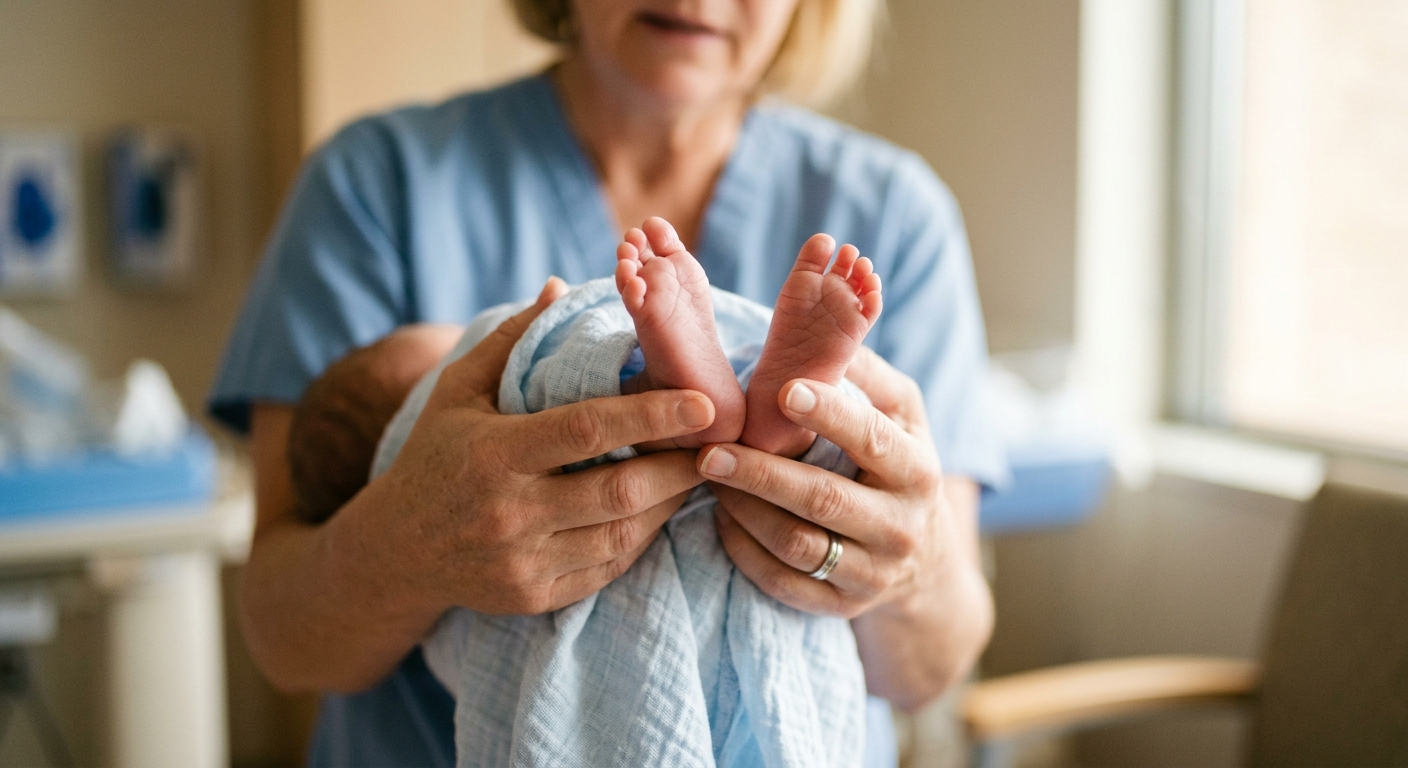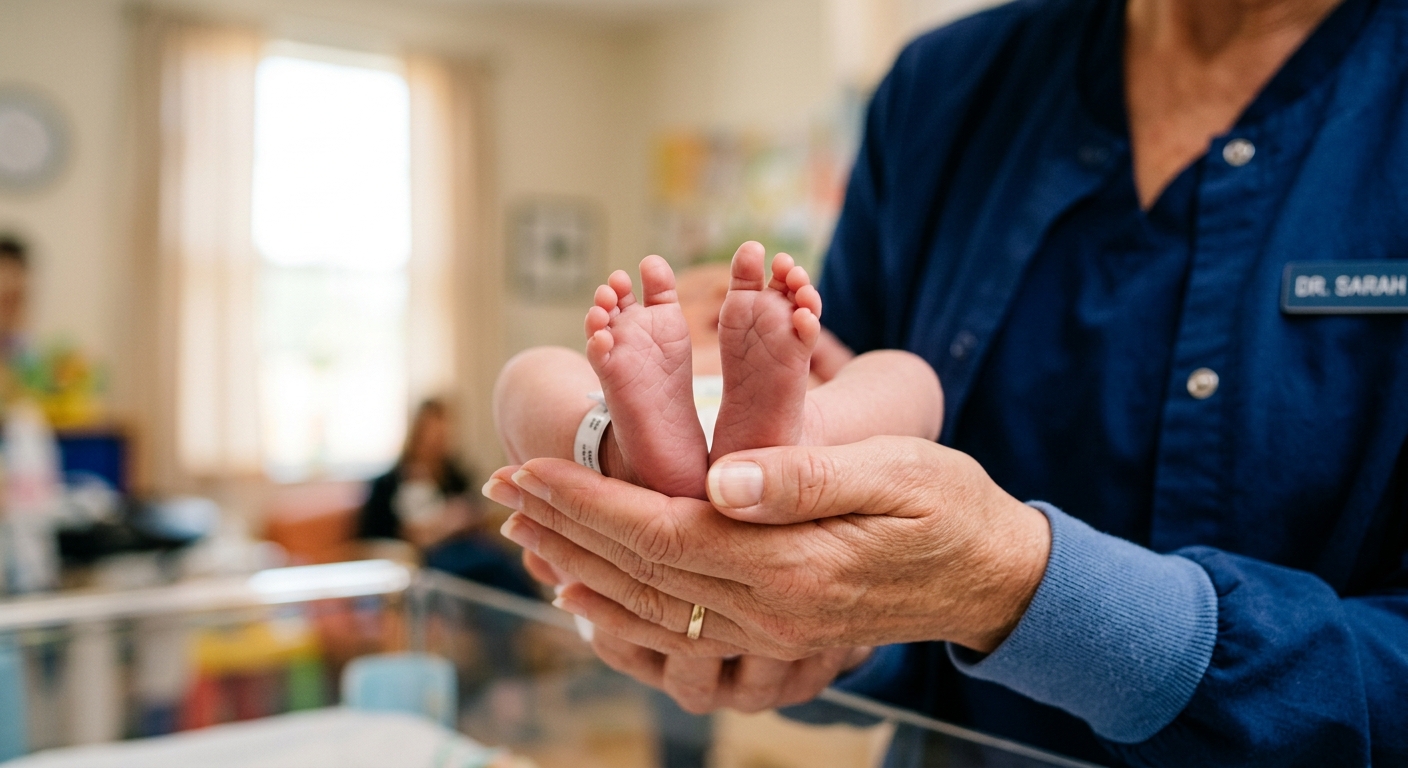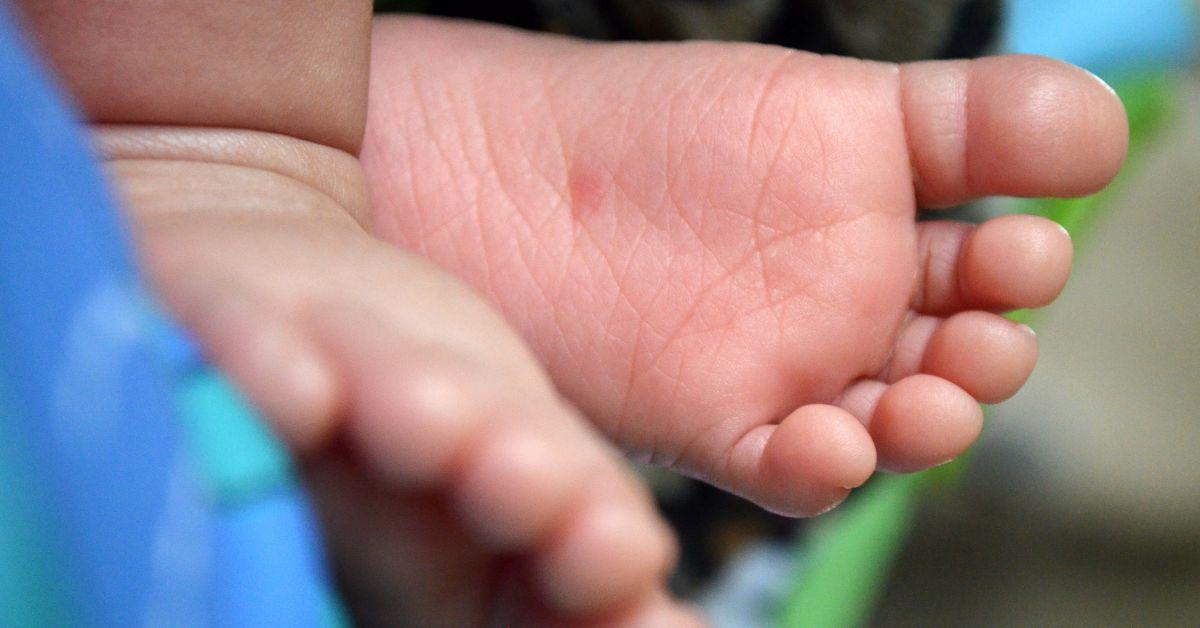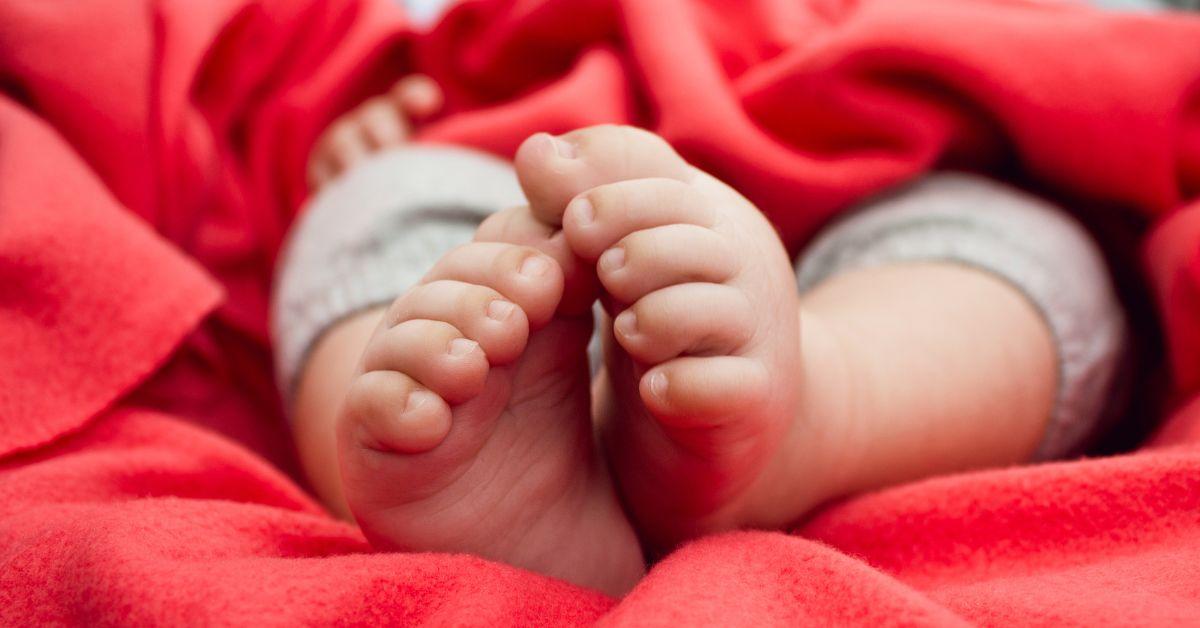
When parents notice their baby’s feet turning inward, the first reaction is often worry. It can be difficult to know whether the position is part of normal development or a sign of a foot condition that needs treatment. This inward position is commonly called pigeon-toed feet or intoeing, and it is one of the most common concerns parents bring to pediatric providers.
Doctors do not diagnose intoeing by appearance alone. They look at how the foot moves, where the inward rotation begins, whether the position is flexible or rigid, and whether the condition is improving over time. Understanding this evaluation process can help parents feel more prepared and less anxious during an appointment.
What Is Intoeing in Babies?
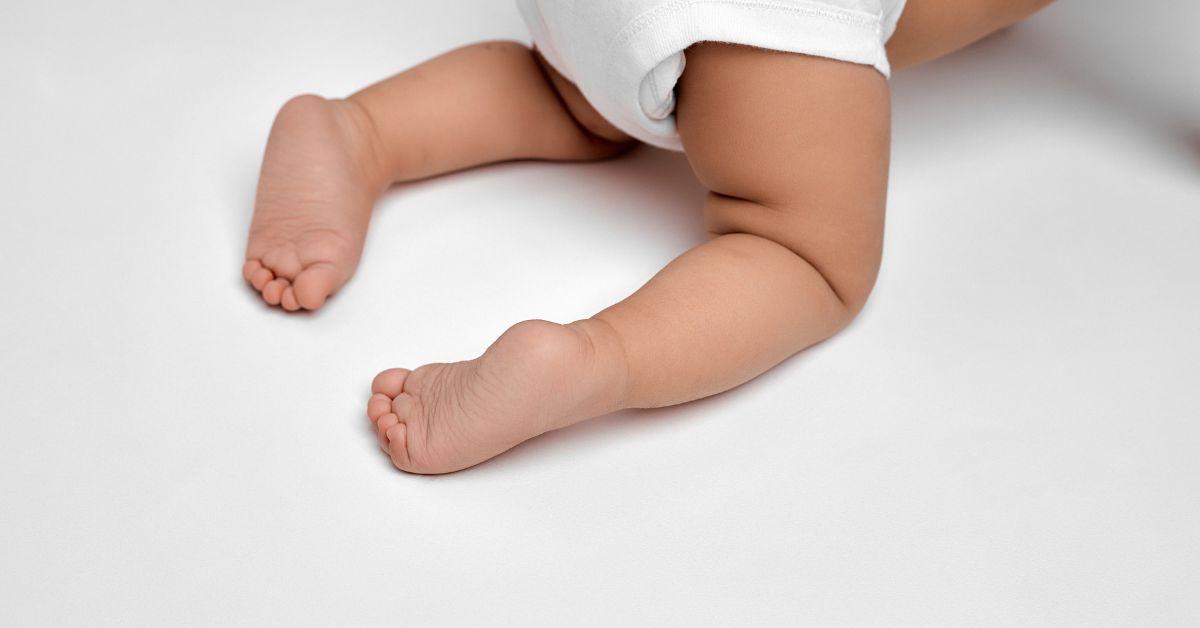
Intoeing means the feet turn inward instead of pointing straight ahead. In babies, this may appear while the child is lying down, kicking, crawling, or beginning to stand. Some cases are mild and temporary, while others may need closer monitoring or treatment.
The inward position can come from different parts of the body, including:
- The front part of the foot
- The shinbone
- The thigh or hip area
Parents who want a doctor-focused explanation of intoeing in babies can review expert insights on how early signs, flexibility, and treatment timing are evaluated.
Doctors First Look at Where the Turn Begins
One of the first things doctors try to identify is the source of the inward turning. Not all intoeing comes from the foot itself.
The three common sources are:
Metatarsus Adductus
This happens when the front part of the foot curves inward while the heel remains more normally positioned. It is often noticed in infants and may be related to positioning inside the womb.
Internal Tibial Torsion
This occurs when the shinbone turns inward. It may become more noticeable as the child begins walking.
Femoral Anteversion
This involves inward rotation from the thighbone or hip area. It is usually more noticeable in toddlers and young children rather than newborns.
Knowing where the inward turn begins helps doctors decide whether observation, stretching, bracing, casting, or later follow-up may be appropriate.
Flexibility Is One of the Biggest Clues
Doctors pay close attention to whether the baby’s foot can be gently moved into a straighter position. This is one of the most important parts of the evaluation.
A flexible foot usually moves easily with gentle guidance. This may suggest a milder condition that can be monitored over time.
A rigid foot resists movement. This may suggest that the condition needs closer attention, especially if the curve is strong or does not improve.
Doctors may ask:
- Can the foot be straightened gently?
- Does the foot immediately return to the curved position?
- Is one foot stiffer than the other?
- Does movement seem uncomfortable for the baby?
Parents should never force the foot into position at home. Flexibility should be checked carefully by a healthcare provider.
Severity Also Matters
After checking flexibility, doctors look at how pronounced the inward position is. A mild curve may simply be monitored, while a more severe curve may need treatment planning.
Doctors may look for:
- A deep curve along the inner foot
- A visible “C-shaped” foot appearance
- Toes pointing strongly inward
- One side looking much different from the other
- A deep crease along the inner border of the foot
Severity alone does not always determine treatment. A foot may look curved but still be flexible. Another foot may look less dramatic but feel stiff during examination. That is why both appearance and movement matter.
Doctors Check for Symmetry
Doctors also compare both feet and legs. Some babies have inward positioning on both sides, while others have only one affected foot.
Asymmetry may raise additional questions, such as:
- Is one foot more curved than the other?
- Does one leg rotate more inward?
- Does one side move less freely?
- Are the hips, knees, and ankles moving normally?
A slight difference between both sides may not be serious, but a significant difference often deserves closer evaluation.
Doctors Ask About Birth and Development History
A baby’s history can provide useful clues. Doctors may ask questions about pregnancy, delivery, family history, and early development.
Common questions may include:
- Was the baby breech?
- Was there limited space in the womb?
- Was this a twin or multiple pregnancy?
- Did anyone in the family have similar foot or leg alignment?
- Has the foot position improved, worsened, or stayed the same?
These questions help doctors understand whether the condition may be positional, developmental, or part of a broader orthopedic concern.
They Observe Movement, Not Just Foot Shape
A baby’s foot may look different at rest than it does during movement. That is why doctors may observe how the baby kicks, stretches, bears weight, or begins early standing.
They may check whether:
- The baby moves both legs equally
- The feet remain inward during active movement
- The baby resists certain positions
- The foot can rest flat
- Early standing looks balanced
For babies who are not yet walking, movement still gives helpful information. For toddlers, doctors may also observe gait and foot progression while walking.
Pain or Discomfort Is an Important Warning Sign
Most babies with mild intoeing do not show pain. If a baby seems uncomfortable when the foot is touched or moved, doctors take that seriously.
Parents should mention if they notice:
- Crying when the foot is handled
- Avoiding pressure on one foot
- Swelling or redness
- Reduced movement on one side
- Difficulty wearing socks or shoes
Pain is not typical in many simple intoeing cases, so discomfort may require additional evaluation.
Doctors Consider Whether the Condition Is Improving
Timing matters. Some cases improve naturally as the baby grows, while others remain unchanged or become more rigid.
Doctors may ask parents:
- When did you first notice the foot position?
- Has it improved since birth?
- Does it look more curved now?
- Has a pediatrician monitored it before?
- Is the baby nearing crawling, standing, or walking age?
A condition that is flexible and improving may be managed differently from one that is rigid and unchanged.
What Treatment Options May Be Discussed?
Treatment depends on the cause, severity, and flexibility of the intoeing.
Possible recommendations may include:
Observation
Mild, flexible cases may only require monitoring during routine visits.
Gentle Stretching
Some babies may be given doctor-approved stretching exercises if the foot is flexible enough.
Bracing or Orthotic Support
A corrective brace may be considered when the foot needs guided support but does not necessarily require casting.
Serial Casting
Rigid or more severe cases may need casting to gradually guide the foot into a better position.
Further Orthopedic Evaluation
If the cause appears to come from the shinbone, hip, or a more complex condition, the doctor may recommend specialist follow-up.
Why Early Evaluation Helps
Early evaluation does not always mean immediate treatment. Sometimes it simply confirms that monitoring is appropriate. However, it gives parents clarity and helps doctors identify cases that should not be ignored.
Early assessment can help determine:
- Whether the foot is flexible or rigid
- Whether the condition is mild or severe
- Whether treatment may be needed
- Whether the baby should be monitored closely
- Whether another condition should be ruled out
The goal is not to create panic. The goal is to avoid guessing.
Questions Parents Should Ask During the Visit
Parents can make the appointment more useful by asking direct questions.
Helpful questions include:
- Where is the inward turning coming from?
- Is the foot flexible or rigid?
- Is this mild, moderate, or severe?
- Should we monitor it or start treatment?
- How long should we wait for improvement?
- What signs should prompt another visit?
- Would bracing, casting, or stretching be appropriate?
- Should we get a pediatric orthopedic opinion?
Clear answers help parents understand the care plan and avoid unnecessary worry.
What Parents Should Avoid
Parents should avoid making treatment decisions based only on appearance or online product claims.
Avoid:
- Forcing the foot straight
- Buying corrective shoes without medical guidance
- Ignoring a stiff or worsening curve
- Skipping follow-up appointments
- Assuming all intoeing improves naturally
Many cases are manageable, but the right plan depends on proper evaluation.
Final Thoughts
When doctors diagnose intoeing in babies, they look beyond how the foot appears. They assess flexibility, severity, symmetry, movement, history, and whether the condition is changing over time.
Some babies only need observation. Others may benefit from early support through stretching, bracing, or casting. The most important step is getting a proper evaluation so parents know whether the condition is likely to improve or needs treatment.
With early awareness and professional guidance, parents can make informed decisions and support healthy foot development with confidence.