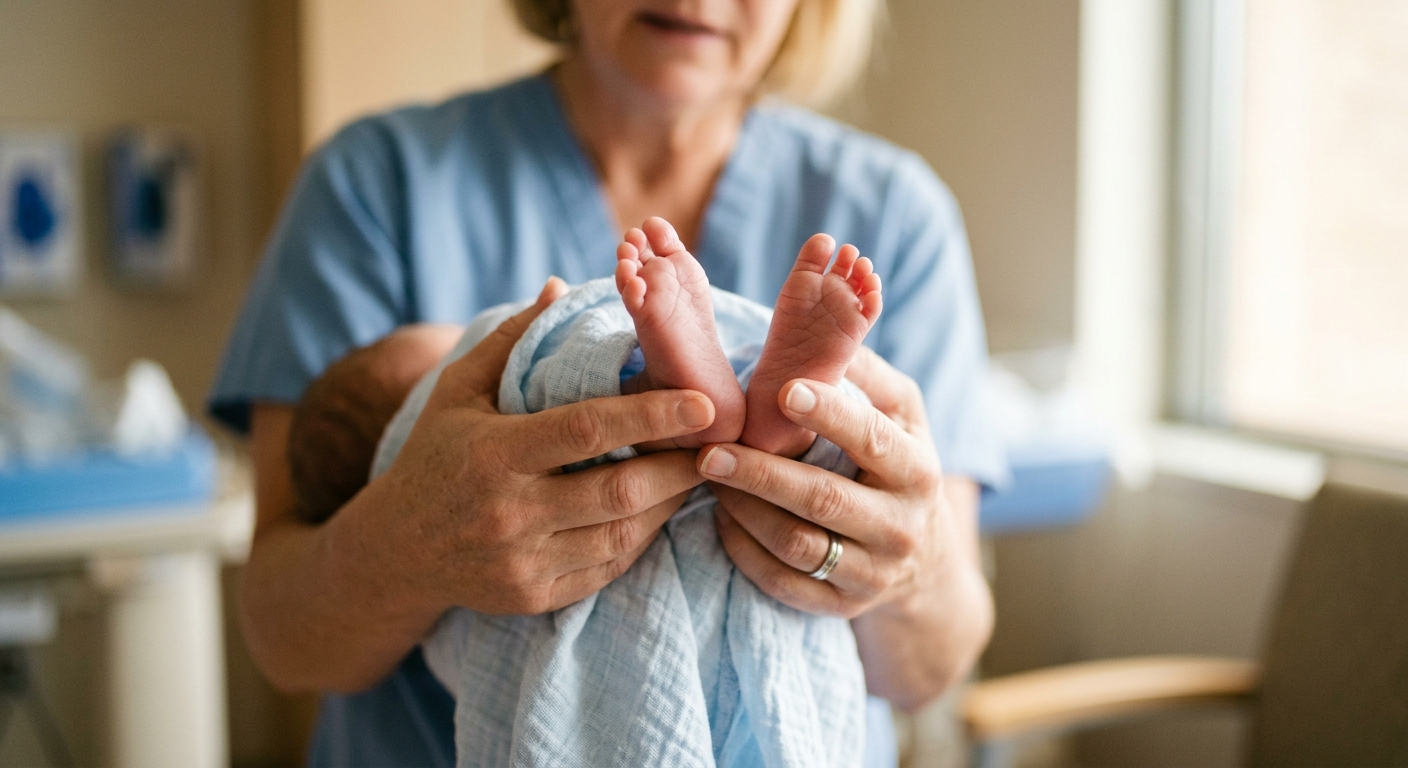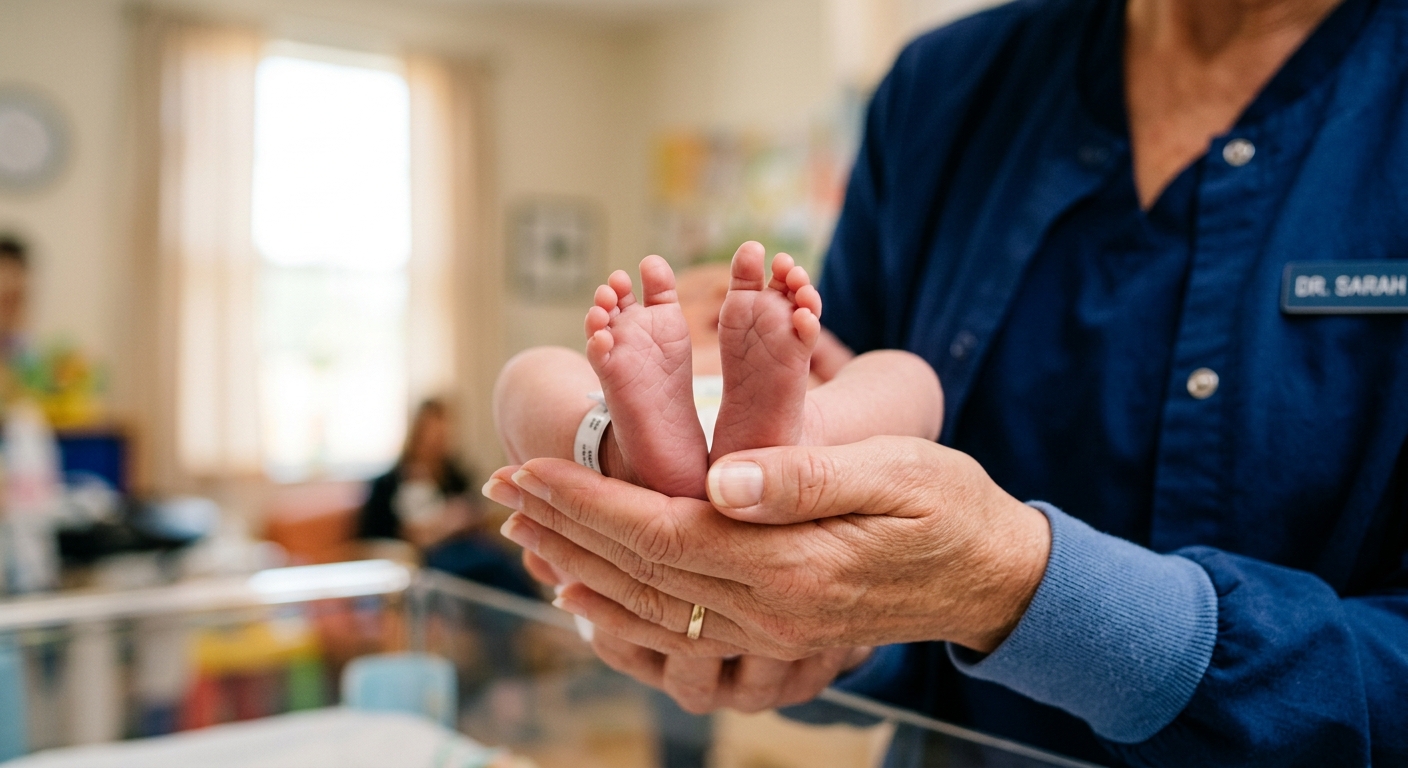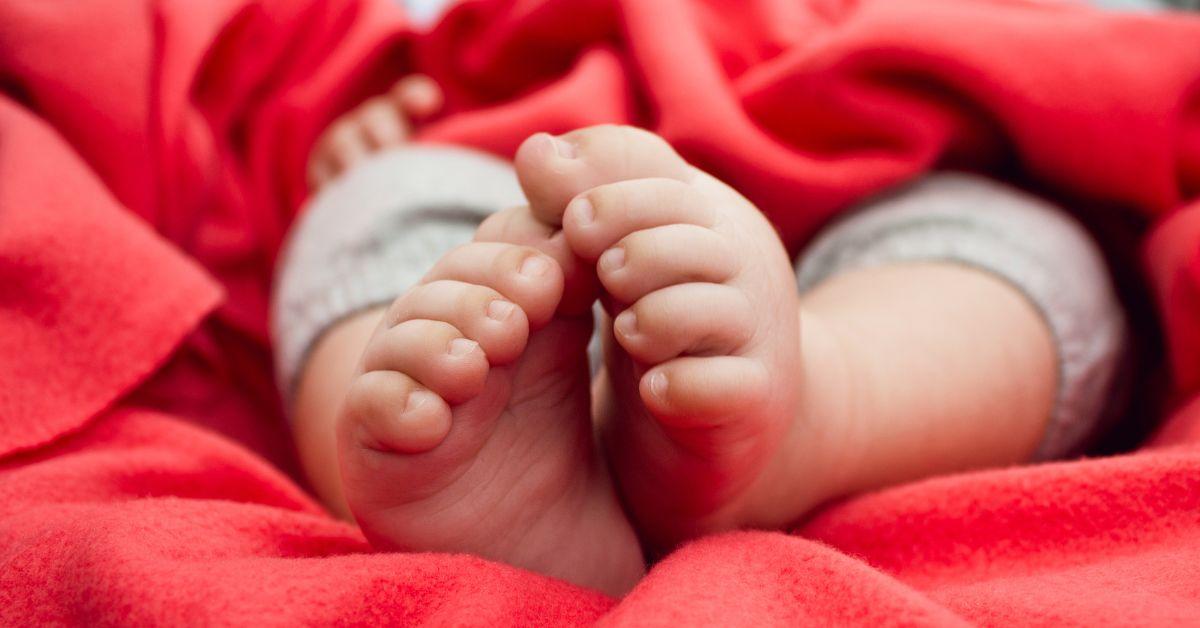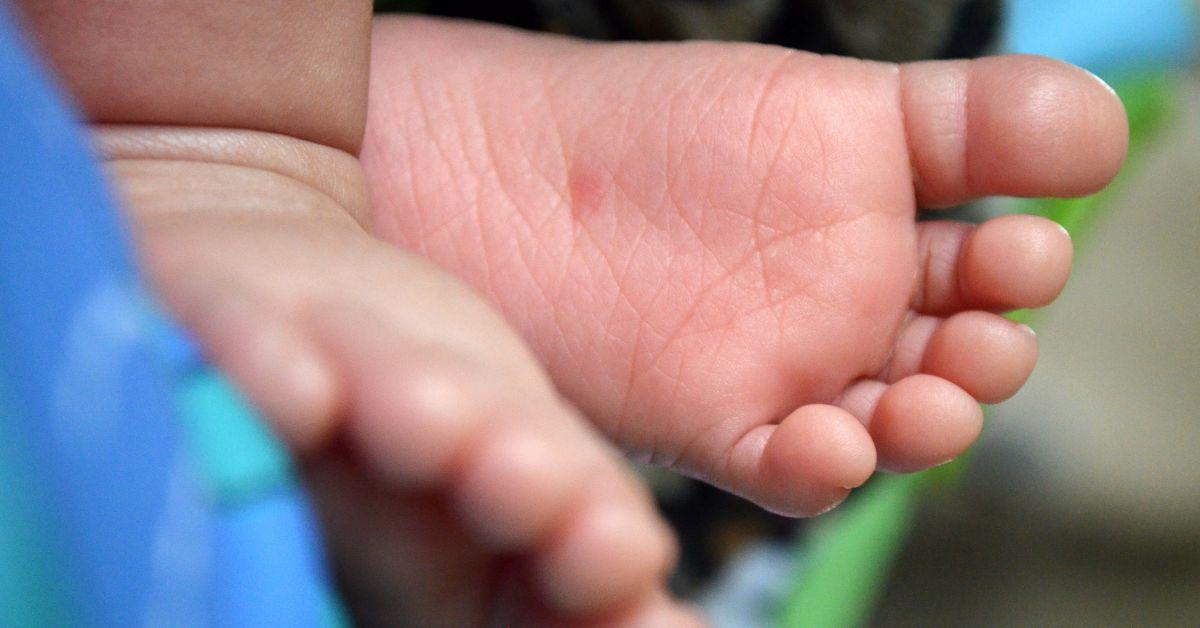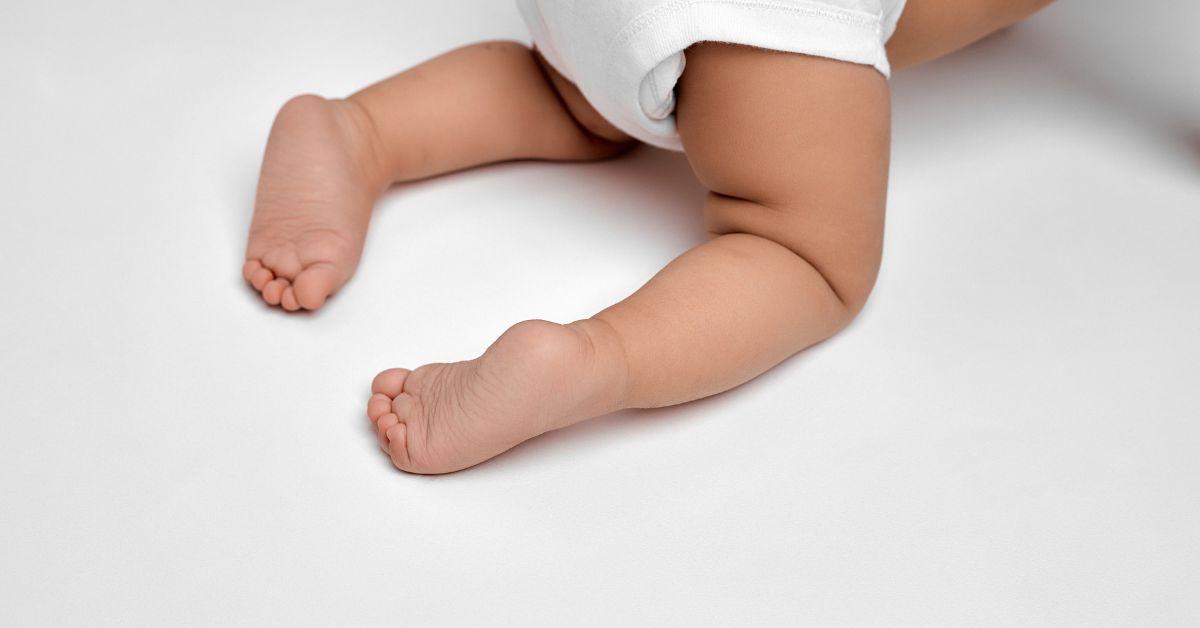
Noticing that your baby’s feet turn inward can be worrying, especially if you are unsure whether it is normal or something that needs medical attention. This inward foot position is often called pigeon-toed or intoeing. In many babies, it is mild and may improve naturally as they grow, but some cases need closer monitoring.
A simple home check can help parents observe early signs before speaking with a pediatrician. This does not replace a medical diagnosis, but it can help you describe what you see more clearly during a doctor’s visit.
What Does Pigeon-Toed Mean in Babies?
A baby is considered pigeon-toed when the feet point inward instead of straight ahead. This can affect one foot or both feet and may be visible while the baby is lying down, kicking, crawling, standing, or starting to walk.
The inward turn may come from the foot, shinbone, or hip area. In younger babies, one common cause is metatarsus adductus, where the front part of the foot curves inward while the heel remains closer to normal alignment.
Parents who want a more detailed home-check guide can visit https://unfo-med.com/pigeon-toed-home-checkup/ to better understand what signs to observe and when to seek professional advice.
Start by Looking at the Foot Shape
Begin by placing your baby on their back in a relaxed position. Make sure the legs and feet are visible and not restricted by tight clothing, socks, or blankets.
Look at each foot from above.
Check for:
- Toes pointing inward
- A curved outer edge of the foot
- A “C-shaped” or bean-shaped appearance
- One foot turning inward more than the other
- The heel staying straight while the front foot curves inward
A slight curve can be normal in young babies. What matters is whether the curve is mild, severe, flexible, or becoming more noticeable over time.
Compare Both Feet
Next, compare the left and right foot. Some babies have inward turning on both sides, while others have one foot that looks more affected.
Ask yourself:
- Do both feet curve inward equally?
- Is one foot much more turned than the other?
- Does one foot look shorter, stiffer, or more twisted?
- Does one side move less freely during kicking?
Small differences are common, but a major difference between the two feet is worth mentioning to your baby’s doctor.
Watch Your Baby’s Natural Movement
Babies show a lot through movement. Observe your baby while they kick, stretch, roll, or push their feet against your hands.
Look for:
- Both legs moving equally
- Feet returning to a straight position during movement
- One foot staying turned inward all the time
- The baby avoiding movement on one side
- Signs of discomfort when the foot moves
If your baby moves both legs freely and seems comfortable, that is usually reassuring. If one foot appears stiff or movement seems limited, professional evaluation is a safer next step.
Check Flexibility Gently
Flexibility is one of the most important things doctors look at. A flexible foot can usually be moved gently into a straighter position. A rigid foot resists movement and stays curved.
To observe flexibility, gently hold your baby’s heel and see if the front part of the foot can move toward a straighter position. Do not force it.
Stop immediately if:
- Your baby cries strongly
- The foot feels stiff
- The foot does not move easily
- You notice swelling or skin color changes
- One foot feels very different from the other
This check should be gentle. You are not trying to correct the foot at home. You are only observing whether the foot seems flexible or rigid.
Look for Inner Foot Creases
A deeper crease along the inside of the foot can sometimes appear when the forefoot curves inward. This may be more noticeable in moderate or severe cases.
Check whether:
- There is a deep fold on the inner side of the foot
- The crease appears on one foot only
- The curve looks stronger near the toes
- The foot keeps the same curved shape even when relaxed
A crease alone does not confirm a problem, but it is useful information to share with a doctor.
Observe During Tummy Time
Tummy time can also show how your baby places and moves their legs. While your baby is awake and supervised, observe how the feet rest when they push, kick, or shift position.
Look for:
- Feet turning inward while pushing
- One foot staying tucked inward
- Uneven leg movement
- Difficulty placing the foot flat against a surface
Tummy time supports natural muscle development, so it also gives parents a good chance to observe movement patterns.
If Your Baby Is Standing or Walking
If your baby is older and starting to stand or walk, observe the direction of the feet during weight-bearing.
Watch for:
- Toes pointing toward each other
- Frequent tripping
- One foot turning inward more than the other
- Knees or legs rotating inward
- Difficulty walking steadily
Some toddlers naturally walk with mild intoeing and improve over time. However, strong inward turning, pain, or worsening movement should be checked.
Take Photos or Short Videos
Photos and videos can help your pediatrician understand what you are seeing at home. Foot position may change during the appointment, especially if the baby is moving, crying, or wearing socks.
Helpful photos include:
- Both feet from above
- Each foot separately
- Baby lying relaxed
- Baby kicking or moving
- Baby standing or walking, if old enough
Short videos are especially useful because they show movement, not just foot shape.
Signs That Need a Doctor’s Advice
A home check can help you observe the issue, but certain signs should be discussed with a healthcare provider.
Contact a pediatrician if:
- The foot cannot be gently straightened
- The curve appears severe
- One foot is much more affected
- The condition seems to be getting worse
- Your baby shows pain or discomfort
- Movement appears limited
- The inward position remains noticeable over time
Early evaluation does not always mean treatment is needed. Sometimes it simply confirms that monitoring is appropriate.
What Not to Do at Home
Parents naturally want to help, but forcing the foot or buying random corrective products without guidance can create problems.
Avoid:
- Forcing the foot straight
- Massaging aggressively
- Using tight shoes to “correct” the foot
- Buying braces without medical advice
- Ignoring a stiff or worsening curve
A baby’s bones and soft tissues are still developing. Any correction should be gentle and medically appropriate.
Questions to Ask the Doctor
If you decide to schedule a checkup, bring your observations and ask clear questions.
Helpful questions include:
- Is my baby’s foot flexible or rigid?
- Is this mild, moderate, or severe?
- Is the inward turning coming from the foot, leg, or hip?
- Should we monitor it or start treatment?
- Are stretching exercises appropriate?
- Would bracing or casting ever be needed?
- When should we come back for follow-up?
These questions help you understand whether the condition is likely to improve naturally or needs support.
Final Thoughts
Checking for pigeon-toed feet at home can help parents notice early signs and track changes over time. By observing foot shape, flexibility, movement, symmetry, and walking patterns, you can gather useful information before speaking with a doctor.
Most mild cases are not an emergency, but rigid, severe, painful, or worsening foot positions should not be ignored. A careful home check is a good first step, but professional evaluation is still the best way to confirm what is happening and choose the right care plan for your baby.