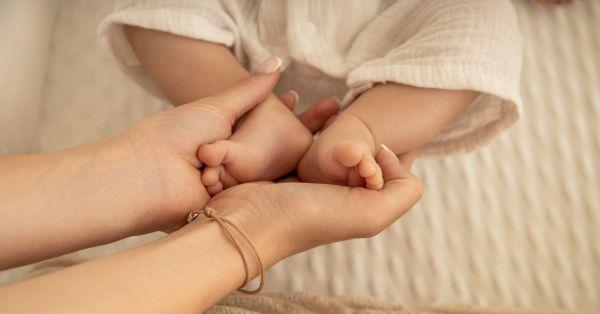
Those tiny toes tell a bigger story than most people expect, especially in the first few months. If a newborn’s feet angle inward, it can look alarming at 3 a.m., yet most cases are perfectly normal and temporary. Understanding what’s typical, what’s not, and what simple checks to try at home can bring serious peace of mind. This guide breaks it down in plain language, so every parent can feel informed without getting overwhelmed.
Spotting the Signs: Pigeon-Toed in Newborns
In-toeing in a newborn usually shows up as the whole foot curving inward or the front of the foot angling toward the other foot like a gentle comma. The heels may look straight while the forefoot curves, which is a common finding from snug positioning in the womb. During diaper changes, it’s easy to see one or both feet pointing toward the midline, especially when those ankles relax. What matters first is whether the foot can be gently moved into a straighter position without discomfort.
Another clue is how the feet sit when the baby is calm versus when they’re stretching or kicking. Many newborns naturally splay and then curl their toes, creating a brief inward look that disappears seconds later. If the appearance changes with movement or gentle handling, that flexibility is usually a reassuring sign. Consistent symmetry and softness around the foot and ankle are typical in the early weeks.
Caregivers often notice in-toeing more in photos or videos than in real time, thanks to angles and shadows. A quick way to reduce guesswork is to look straight down at the soles with the knees bent and hips relaxed. If the feet can line up toward the ceiling with a light touch, it hints at flexible alignment rather than a fixed twist. Fixed positions that resist gentle movement warrant a pediatrician’s attention sooner rather than later.
Why It Happens: Common Causes of In-Toeing in Newborns
The most common cause right at birth is a flexible forefoot curve, often called metatarsus adductus. This simply reflects the cozy way a baby was positioned before delivery, especially in late pregnancy. The soft tissues are still moldable, and with time and typical movement, they usually lengthen and unwind. In many cases, the body’s natural growth is the best “treatment.”
Less commonly, inward foot position starts higher up the leg, like an inward twist of the shin bone (tibial torsion) or, in older toddlers, a rotation at the hip called femoral anteversion. In newborns, a forefoot curve is the usual suspect; tibial and hip rotations tend to show as little ones start bearing weight. Family patterns can play a role too, so a parent’s childhood in-toeing is worth mentioning at checkups. Cause matters because it guides what to monitor and when to intervene.
Occasionally, a tighter or stiffer foot structure points to something that needs earlier support, like stretching guidance or casting for a rigid curve. Red flags include pain, very limited motion, or a foot that looks unusually small or misshapen compared to the other. Those signs are uncommon, but paying attention early keeps small problems small. When in doubt, a quick exam can distinguish flexible from fixed in minutes.
Simple, Gentle Ways Parents Can Support Alignment
Most newborn feet love time to move freely, so extra-cushy or stiff booties aren’t necessary. During changes, caregivers can softly guide the forefoot toward neutral, holding for a few calm breaths without forcing. These micro-mobilizations mirror the subtle stretches babies get naturally when kicking on a playmat. Comfort, not pressure, is the rule of thumb.
Day-to-day positioning matters too. Short, frequent tummy-time sessions help hips and legs open up and build strength, which encourages balanced movement patterns. When holding the baby, cradling so the knees and hips are gently flexed can relax the lower limbs. Small, repeatable habits beat any single “big fix.”
Footwear can stay simple: soft socks for warmth and room to wiggle, and avoid tight swaddles that pin the feet inward for long stretches. If swaddling, leaving space for the feet to rest in a neutral, toe-up position can help. Over weeks, caregivers often notice the feet “remember” straighter positions more easily. Think freedom to move, space to grow, and easygoing routines.
Latest Insights: What to Know About Infant Foot Alignment
Here’s a quick snapshot of how pediatric clinicians describe common in-toeing patterns and what typically happens over time. The focus is on what parents can observe at home and when to flag something for a professional look. These patterns help explain why many inward-looking feet improve naturally as months pass, while a smaller group benefits from earlier guidance. Use this as a reference, not a diagnosis.
To see the differences more clearly, here is a table comparing common patterns, what they look like, when they appear, what usually happens over time, and key red flags.
Table: Common In-Toeing Patterns in Infants and Their Typical Course
| Pattern or Driver | What It Looks Like | Typical Onset | Usual Course | Red Flags to Note |
|---|---|---|---|---|
| Flexible forefoot curve (metatarsus adductus) | Front of foot curves inward; heel is straight; foot moves to neutral with gentle guidance | At birth | Often improves within the first 6-12 months with growth and natural movement | Rigid foot that won’t straighten, obvious size/shape difference, or discomfort |
| Internal tibial torsion (shin rotation) | Feet point inward when standing/walking; knees may face forward | As weight-bearing begins | Commonly improves through early childhood as bones remodel with growth | Worsening tripping, asymmetry, or unusual gait mechanics |
| Hip rotation factors (femoral anteversion in older kids) | Knees and feet both turn inward; more noticeable when running | Typically noticed after toddler years | Often self-resolves gradually; monitoring continues through grade school | Pain, marked stiffness, or functional limits in daily play |
These timelines and descriptors reflect common clinical patterns seen in pediatric visits and help frame reasonable expectations. If a baby’s feet are soft and flexible, time and movement do a lot of the heavy lifting. Fixed positions, pain, or asymmetry are the signals to act sooner and book a check-in.
When to Call the Pediatrician About In-Toeing
Most newborn in-toeing stories are watch-and-wait, but some details nudge the timeline forward. A foot that seems stuck, a noticeable difference from left to right, or signs of discomfort deserve earlier attention. It’s also fair to ask for a quick look if anxiety is building; reassurance is part of good care. Trusting that instinct is not overreacting.
Watch for these signs:
- Limited motion that resists gentle, comfortable stretching.
- Pain signals like persistent crying when the foot is handled.
- Visible asymmetry between the two feet or legs.
- Foot shape that appears unusually rigid or misshapen.
- Concerns about delayed milestones paired with in-toeing.
If any of those boxes feel checked, a pediatrician or pediatric orthopedist can sort things quickly. They’ll look at flexibility, leg alignment, and how the hips and knees move, then map a plan if needed. Early visits don’t lock in treatment; they clarify the picture and calm the noise.
Step-by-Step At-Home Checks to Gauge Flexibility
Short, gentle check-ins during diaper time can show how flexible those little feet really are. With the baby comfortable, a caregiver can cradle the heel and guide the front of the foot toward neutral, stopping at the first hint of resistance. The goal isn’t “straightening” on the spot; it’s just seeing how the foot behaves and relaxing the soft tissues. Think easy, smooth, and slow.
How to do it at home:
- Position the baby relaxed on the back, with hips and knees softly bent.
- Hold the heel in one hand; with the other, cup the forefoot and guide it gently toward a neutral midline.
- Pause for a few breaths, then release and observe how the foot rests on its own.
- Repeat on the other side; note any big differences in feel or motion.
- Keep sessions short and comfy-seconds, not minutes, is enough.
Logging quick notes in the phone-like “easier this week” or “right foot stiffer”-can help track trends. If flexibility improves over a few weeks, that’s a classic green flag. If things stay rigid or look more inward over time, it’s a smart cue to book a professional look.
Myths vs. Facts: What Research Really Says
One common myth says special shoes or hard braces are needed right away, but modern pediatric guidance rarely starts there for flexible newborn feet. Another myth claims in-toeing causes permanent athletic limits, when many kids run, jump, and play without issues as alignment normalizes. A better lens is monitoring and supporting natural development, stepping in when stiffness or function says so. Evidence-driven care focuses on flexibility first and gadgets second.
Parents also hear conflicting timelines, which can turn patience into panic. It helps to remember that growth is not linear: spurts, plateaus, and new skills all change how legs move and look. For a solid primer that keeps the science simple, this resource on pigeon toed in newborn lays out the basics in a parent-friendly way. Clear expectations make waiting feel purposeful instead of passive.
Finally, there’s the idea that doing nothing is the same as ignoring the problem, which just isn’t true for flexible in-toeing. Observing, giving room to move, and checking in at regular well-baby visits are part of an active plan. If signs shift-like growing stiffness or unequal sides-that plan simply updates. Responsive care beats reactive care every time.
Moving Forward: What Parents Should Do About a Pigeon-Toed Newborn
Most families can expect flexible in-toeing to mellow with time, gentle movement, and routine checkups, while keeping an eye out for the few red flags that call for earlier help. A light touch during daily care, plenty of wiggle room, and calm note-taking make progress easier to spot. If anything feels stuck-literally or figuratively-a quick visit brings clarity and a tailored plan. With steady observation and simple habits, a pigeon-toed newborn is more often a passing chapter than a plot twist.