It starts as a tiny star or a hairline crack, and somehow the calendar keeps flipping while that blemish grows. Delaying a windshield fix feels harmless until heat, vibrations, and daily miles turn a small repair into a full-blown replacement. Beyond dollars, there’s the hidden price of visibility, safety systems, and stress. When a windshield is healthy, the drive fades into the background; when it isn’t, the risk sits front and center.
Small Chips, Big Consequences: Windshield Replacement in Phoenix
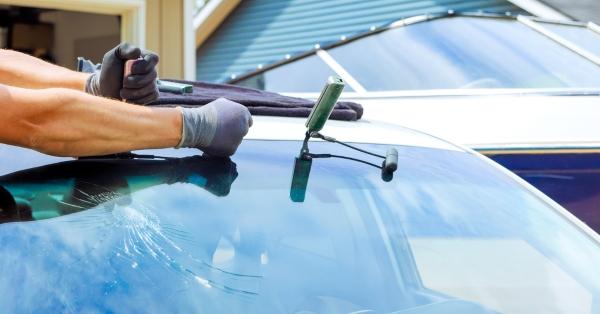
What looks like a cosmetic flaw is often the start of a spreading fracture just waiting for the right bump. Every pothole, speed hump, or sudden stop sends stress through the glass, pushing a tiny chip to migrate across the driver’s field of view. Add temperature swings and defroster blasts, and a minor blemish can creep into a crack that refuses to be ignored. That’s why a chip repaired early is usually quick, clean, and far cheaper than dealing with a sprawling fracture later.
Heat is the hidden accelerant in this story, especially in sun-baked parking lots. Glass expands under the Arizona sun, and if there’s already a weak spot, that expansion pulls it wider like a zipper catching on fabric. Overnight cooldowns then contract the glass, flexing the crack back and forth until it grows. This constant thermal cycle is a reliable way to turn “annoying” into “urgent.”
Moisture and dirt make the situation messier by infiltrating the damage and weakening the bond between glass layers. Once contaminants settle in, repairs become harder to execute and less seamless cosmetically. Even premium resins can struggle if the crack has been open to weather for too long. In plain terms, time isn’t neutral; time stacks the odds against a clean, lasting repair.
Safety Isn’t a Maybe: Why Cracks Escalate Risk
Modern windshields are structural, not decorative, and that matters when the unexpected happens. The glass helps support roof integrity and provides a backstop so airbags deploy in the right direction. A compromised shield can’t share the load as designed, increasing the chance that safety systems won’t perform at their best. If a chip or crack sits near sensor zones, even advanced features can get unreliable fast.
Visibility takes a hit long before the glass fully fails. Cracks refract sunlight, streetlights, and oncoming headlights into flares and ghost images that tire the eyes and slow reaction times. Dust in Phoenix only makes this worse, since tiny particles catch the light and scatter it across the damage. Driving with a crack is like wearing smudged glasses on a roller coaster-everything gets harder when motion and glare pile on.
Then there’s the risk of a crack spidering while the car is in motion. A sudden expansion can startle a driver and block sightlines in an instant, especially on hot afternoons after blasting the AC. Even if the glass doesn’t shatter, the distraction can be enough to create a hazard. Safety isn’t a switch that’s on until it’s off; small losses add up to a meaningful drop in protection.
What Waiting Really Costs the Wallet: Repairs vs. Replacement
Catch a chip early and the bill is usually modest, often less than a dinner out for two. Wait, and the math changes-replacement glass, labor, and potential calibration can multiply the cost. Worse, a long crack can make insurers balk at coverage or push the claim into a higher-deductible category. It’s the classic “pay a little now or a lot later” equation, except the “later” tends to arrive suddenly.
Lost time also shows up as a hidden cost, and it’s easy to overlook. A quick repair often takes under an hour, while a full replacement can mean longer scheduling, more downtime, and additional calibration steps. If the job stretches into work hours, there’s the opportunity cost of missed meetings or rideshare fees. Convenience is greatest when action happens early.
This is how small damage turns into big expenses, step by step:
- Chip repair window closes as the crack grows beyond repairable size.
- Full glass replacement becomes mandatory, raising parts and labor costs.
- ADAS calibration adds a separate procedure and fee to restore safety features.
- Schedule juggling and downtime introduce extra, non-obvious costs.
Numbers That Surprise: Safety, Tickets, and Insurance in Phoenix
Here’s a snapshot to put the trade-offs in perspective, with typical 2024 ranges and Phoenix-specific notes. Costs vary by vehicle and glass type, and ADAS features can make the spread wider. Arizona’s heat, dust, and freeway debris lean the odds toward faster crack growth and more frequent replacements. These aren’t one-size-fits-all figures, but they frame the real-world choices drivers face.
| Item | Typical 2024 Range | Notes for Phoenix |
|---|---|---|
| Chip/Crack Repair (minor) | $80-$150 | Often done same-day; best before contamination spreads. |
| Full Windshield Replacement (common models) | $300-$800 | Luxury/OEM glass may run higher; availability can vary. |
| ADAS Camera/Radar Calibration | $150-$400 | Needed after many replacements to restore safety features. |
| Visibility/Equipment Violation | $100-$250 | Fines vary; enforcement typically tied to obstructed view. |
| Insurance Deductible | $0-$500 | Some policies waive chip repair; check glass coverage. |
| OEM vs. Aftermarket Glass Price Difference | + $100-$400 | OEM can aid sensor alignment; aftermarket varies by brand. |
| Mobile Service Fee | $0-$50 | Frequently waived by local providers to maximize convenience. |
Bottom line: a quick repair usually undercuts even the lowest replacement quote. If a crack pushes the job into replacement territory, calibration and glass type become the primary cost drivers. In a sensor-heavy vehicle, that calibration line can be the deciding factor on the bill.
There’s also the matter of peace of mind, which doesn’t appear on the invoice but matters in daily life. A fresh, calibrated windshield restores clear sightlines and keeps driver-assist features honest. In fast, bright, dusty traffic, clarity is more than a comfort-it’s a safety asset.
Phoenix Driving Realities: Heat, Dust, and Daily Commutes
The Valley’s temperature swings and freeway grit are not kind to compromised glass. Morning AC blasting against a hot exterior, sudden monsoon gusts, and flying pebbles from construction zones turn small flaws into wandering cracks. It’s a unique recipe that rewards quick action more than in cooler, milder climates. In Phoenix, time plus heat equals bigger glass problems-fast.
Mobile service changes the convenience game when schedules are tight. Local specialists often come to the office or driveway, knock out the job, and include calibration when needed, saving an extra trip. Many also offer free quotes and lifetime workmanship warranties that keep future fixes hassle-free. When time is money, at-the-door service keeps the day moving.
For drivers ready to solve it before the crack wins, booking windshield replacement phoenix can be surprisingly quick. Some providers in the city, including HighTech Auto Glass, focus on fast turnarounds, ADAS calibration, and mobile appointments that fit busy commutes. With the right glass on hand and the right techs, same-day or next-day solutions are common. Acting while the problem is small is the surest way to keep cost, downtime, and stress in check.
DIY Fixes vs. Pro Repair: When Time Works Against You
DIY kits look tempting, especially when the damage seems tiny and the weekend is open. But timing, cleanliness, and resin quality decide whether that fix holds or just delays a bigger crack. Dusty environments and direct sunlight make home repairs tricky, and once a kit is applied, professionals may have a harder time achieving an invisible finish. Saving a few dollars now can cost clarity later if the result isn’t solid.
Here’s a quick reality check before reaching for a DIY kit:
- Contamination sneaks in fast; even clean-looking chips harbor dust and moisture.
- Resin quality and curing conditions matter; heat and UV can work against the repair.
- If the crack grows past repair size, replacement becomes unavoidable anyway.
Professional repair isn’t just tools-it’s a process. Techs assess the damage, clean the cavity properly, match glass and sensor needs, and calibrate systems so features like lane-keeping and auto-brake behave as designed. Many shops back the work with lifetime workmanship warranties for extra confidence. That combination of speed, skill, and accountability is hard to replicate at home.
Smart Next Steps for Windshield Replacement in Phoenix
Choosing to fix early keeps options wide and costs manageable, and that’s especially true in a place with heat and freeway grit like Phoenix. Local experts often bundle mobile service, free quotes, and lifetime workmanship coverage to keep ownership simple. If the vehicle has ADAS features, confirm calibration is included so the safety tech stays trustworthy. Small damage doesn’t need drama-quick action turns it into a non-event.
For those tracking budget, ask about repair versus replacement thresholds, glass types, and calibration specifics before booking. A clear estimate that lists parts, labor, and calibration avoids surprises and helps compare apples to apples. Many drivers find that handling the issue now is cheaper than gambling on a week of desert heat. In most cases, the lowest-cost path is the fastest one taken.
And if timing has already slipped, there’s still a stress-free way forward. Schedule a mobile visit, set aside a short window, and get back on the road with a clear view and calibrated tech. The daily drive feels lighter when the glass disappears from thought again. That’s the real payoff of not waiting.