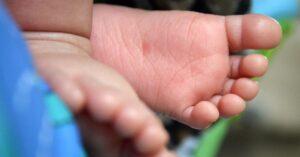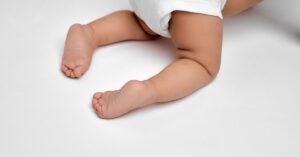
Seeing a little inward turn in a baby’s feet can spark a lot of late‑night searches, but most of the time it’s just a normal part of growing. In‑toeing often shows up as those tiny toes pointing toward each other, especially when a child is learning to stand or toddle around. The big headline is that legs and feet change shape with age, and alignment tends to improve on its own. Think of it as a phase in the body’s long game of growing stronger, steadier, and more coordinated.
What In‑Toeing in Babies Looks Like (And Why It Happens)
In‑toeing describes a walking pattern where the feet angle inward, and it can come from the foot, the shin, or the hip. For babies, a curved foot called metatarsus adductus is common, often linked to the cozy “packaging” inside the womb. As toddlers grow, an inward twist of the shin bone (internal tibial torsion) can take the lead, and in preschoolers and early grade‑schoolers, extra turning at the hip (femoral anteversion) may be the main driver. Each of these has its own timeline, and the body usually self‑corrects as bones remodel and muscles learn better patterns.
Spotting in‑toeing is usually simple: toes point in, knees might angle inward a bit, and a child may trip here and there as coordination catches up. Shoes may show wear on the inner edge, and caregivers might notice a “pigeon‑toed” stance in photos or videos. What often surprises families is that kids with in‑toeing can be super agile and fast, especially once balance improves. It’s not unusual for confidence to grow alongside stronger muscles and better control.
Most pediatric professionals look at flexibility first. Key questions include: Can the foot straighten with gentle handling? Do the shins and hips rotate in both directions? Is the child pain‑free? The answers help separate typical development from issues that need a closer look. As long as a child is hitting milestones, staying active, and not in pain, watchful waiting with playful support is the usual path. It’s about tracking progress, not chasing perfection overnight.
When to Relax-and When to Check In on In‑Toeing
A good rule of thumb is to balance patience with pattern‑spotting. If in‑toeing is mild, flexible, and slowly improving year to year, that’s usually a green flag. Red flags include pain, stiffness that doesn’t budge, frequent falls that limit play, or a noticeable difference between the two legs. Another reason to seek advice is when progress stalls completely for a long stretch during key growth windows.
Age matters because bones and joints remodel at different speeds. Toddlers can look more in‑toed when they first hustle on new legs, then show smoother strides by preschool. Many children “grow out of it” as hips rotate outward with use, shins untwist, and foot shape opens up with standing and walking. Progress isn’t always linear, and growth spurts can make things look a bit more pronounced before they even out again.
A calm snapshot to guide expectations:
- Mild, pain‑free in‑toeing that’s symmetric usually trends toward improvement with time and play.
- Stiffness, pain, limping, or a big left‑right difference calls for a professional peek.
- Any regression in skills (like suddenly refusing to bear weight) deserves timely attention.
Simple Ways to Support Those Growing Feet (No Stress Required)
Daily life is full of tiny habits that help alignment without feeling like “therapy.” Play on different surfaces, let toes wiggle freely, and keep activities varied so hips, knees, and ankles all get a turn to lead. A little barefoot time at home builds foot strength and sensory feedback, which can polish balance and confidence. Activities like hopscotch, gentle obstacle courses, and tiptoe games help muscles wake up and coordinate.
These quick, parent‑friendly check‑ins help track change over months:
- Snap a casual photo or short video of the standing posture from front and back every 3-4 months.
- Note shoe wear on the inner versus outer edge to spot gradual shifts.
- Watch sitting positions: mixing “criss‑cross” and long‑sitting helps balance hip rotation.
- Play the “line‑walk” game on a tile seam to see if foot placement smooths out.
- Keep a simple log of trips or stumbles; fewer over time is a helpful trend.
Stretching can be gentle and playful, focusing more on movement variety than force. For flexible metatarsus adductus, soft “open the fan” foot motions during diaper changes can be part of the routine. With tibial torsion or femoral anteversion, the big wins are from active play that encourages outward rotation and balance, not from aggressive stretching. Consistency beats intensity every time.
How Common In‑Toeing Is-and When It Usually Improves
Here’s the big picture: most in‑toeing in early childhood is considered a normal variant that trends toward improvement as bones grow and gait matures. The cause often shifts with age-from the foot in infancy, to the shin in toddlers, to the hip in school‑age years. Below is a practical, 2026‑relevant snapshot of typical timelines caregivers ask about most. To see the differences more clearly, here is a table showing the primary drivers, when they are noticed, the natural course, helpful home cues, and when to seek guidance.
Table: Timeline Guide for Common Causes of In‑Toeing
| Primary driver | Usually noticed | Natural course (typical) | Helpful cues at home | When to seek guidance |
|---|---|---|---|---|
| Metatarsus adductus (curved forefoot) | Birth to 12 months | Flexible types often improve by 6-18 months with growth and gentle handling | Soft “open the fan” forefoot motions during changes; barefoot play on safe surfaces | Rigid foot, pain, or no change past 18-24 months |
| Internal tibial torsion (shin turned inward) | 1-3 years, often when walking speeds up | Gradual improvement expected by 4-8 years as bones remodel | Balance games, line walking, mixed sitting postures that aren’t only “W” sitting | Frequent falls limiting play, big left‑right difference, or increasing stiffness |
| Femoral anteversion (hip rotation inward) | 3-8 years, sometimes more obvious during fast play | Often lessens by 8-12 years as hips externally rotate with activity | Skips, side‑steps, gentle hurdles, and criss‑cross sitting to balance rotation | Hip pain, marked asymmetry, or functional limits in sports and daily life |
From this table, the trend line matters more than any single day’s snapshot. If a child stays active, pain‑free, and steadily more coordinated, the outlook is generally encouraging. When concerns linger, a pediatric professional can check flexibility, alignment, and gait to map out next steps. That may be as simple as reassurance and a follow‑up plan.
Remember that timelines vary with growth spurts, activity levels, and individual anatomy. Some seasons make alignment look more inward, only to smooth out later with practice and strength. Parents can focus on play, comfort, and confidence, keeping an eye on function rather than chasing perfect footprints. The goal is happy, capable movement.
Gear, Shoes, and Play That Actually Help Alignment
Footwear can either free toes or fence them in. For most kids, lightweight, flexible shoes that bend at the forefoot and allow natural movement pair best with developing gait. Indoors, a little barefoot time helps feet read the floor and build small stabilizer muscles. Stiff, heavy shoes or “corrective” gadgets not prescribed by a clinician can work against the body’s own remodeling.
Play ideas make the biggest difference because they turn alignment into a game. Side‑shuffles, crab walks, and gentle balance beams invite hips and ankles to explore different angles. Hills, grass, sand, and playground mulch all challenge muscles in new ways, which pays off in smoother, straighter steps over time. Short, frequent bursts of play beat long, exhausting drills every day of the week.
For anyone wanting a clear, parent‑friendly explainer, this guide to in toeing in babies fits neatly into the puzzle and complements advice from a pediatric professional. It can be reassuring to compare notes with credible resources while tracking changes at home. Use outside reading as a helper, not a substitute for personalized care when red flags appear. The best plan blends good information with a child’s unique story.
Important Myths vs. Facts About In‑Toeing
Misconceptions can crank up worry, so clearing the air helps everyone breathe easier. Old‑school ideas still float around, but the science of growth and gait has moved on. Today’s approach leans on patient observation, playful movement, and targeted care only when function or comfort is affected. Here are a few fast truths to keep handy.
Quick myth‑busting facts parents often ask about:
- Rigid braces or special shoes are rarely needed for typical, flexible in‑toeing.
- Many active kids with in‑toeing run fast and play hard without pain or limits.
- “W” sitting isn’t automatically harmful; variety in sitting is what matters most.
- Symmetry, flexibility, and function tell the real story more than a single photo.
- Improvement is gradual; month‑to‑month trends matter more than day‑to‑day changes.
When opinions clash, function becomes the tiebreaker: Can the child play, climb, and keep up comfortably? If yes, time and play are typically allies. If pain, stiffness, or big asymmetry shows up, that’s the moment to get expert eyes on the situation. Good care is collaborative and paced to the child, not rushed.
Closing Thoughts on In‑Toeing for New Parents
If in‑toeing has been stealing mental space, this can serve as a gentle reset. The vast majority of cases in early childhood sit in the “watch it, support it, and let growth work” category. Movement variety, comfy shoes, and a simple progress log go a long way toward reassurance. And when something feels off, timely guidance brings clarity without guesswork.
Kids aren’t small adults; their bones reshape, their muscles learn, and their stride evolves in fits and starts. Most paths bend toward straighter steps with zero drama, and the rest benefit from thoughtful, personalized tweaks. Parents provide the stage‑safe spaces, playful routines, and patience-while growth handles the choreography. It’s a long game, and small wins add up.
In the end, the goal isn’t perfect footprints-it’s comfortable, confident movement that keeps up with curiosity. If that’s happening, the outlook is bright. With steady observation and a child‑first mindset, in‑toeing becomes less of a worry and more of a passing chapter in the story of growing up. That’s a pretty good ending for tiny, hardworking feet.