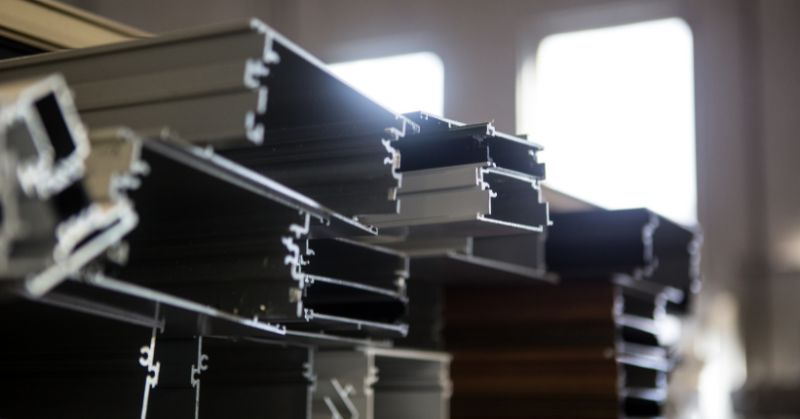
Modern architecture is defined by clean lines, open spaces, and material efficiency. At the heart of this transformation lies an often-overlooked hero: custom aluminum profiles. More than just structural components, these tailored extrusions are reshaping the design process—both functionally and aesthetically.
With advancements in advanced extrusion technologies, aluminum is no longer just a building material; it’s a creative tool. Here’s how these profiles are revolutionizing the way architects design and how buildings perform in the real world.
1. Precision Design Meets Performance
Custom aluminum profiles allow architects and engineers to think beyond the limitations of off-the-shelf components. Extruded to exact specifications, these profiles offer design precision that enhances both aesthetics and performance.
Need ultra-thin frames that still meet load requirements? Or custom shading elements that align with the building’s geometry? With aluminum extrusion, it’s possible to create complex shapes with high dimensional accuracy—something traditional materials like wood or steel can’t offer at the same scale.
Whether it’s a massive commercial façade or minimalist window detail, custom profiles ensure the structure meets both visual and structural intent.
2. Lightweight Strength for Sustainable Builds
One of aluminum’s greatest strengths is its high strength-to-weight ratio. Custom profiles made via advanced extrusion techniques are often used in curtain walls, window systems, and structural elements that need to be strong without adding bulk or excessive load.
This makes aluminum a go-to material for:
- High-rise buildings
- Modular constructions
- Energy-efficient façades
The lighter the material, the less strain on foundational elements—translating into savings on materials, transport, and labor. For green buildings, it also means lower embodied energy and easier integration with renewable design strategies.
3. Seamless Integration with Glazing and Cladding Systems
Modern architecture often relies on large glass panels, ventilated façades, or intricate panel systems. Custom aluminum profiles are designed to integrate perfectly with these systems—whether it’s flush glazing, hidden fasteners, or pivoting panel assemblies.
Because extrusion allows for complex internal channels, the profiles can:
- House gaskets and insulation
- Support drainage systems
- Conceal fasteners or mechanical joints
This makes installation faster and more secure, while improving thermal and acoustic performance—key factors in high-performance building envelopes.
4. Flexibility for Unique Architectural Expression
Extruded aluminum opens the door to creativity. With the ability to customize shapes, finishes, and assembly systems, architects are using it to push the boundaries of modern form. Think curved surfaces, sharp angular profiles, and parametric designs that would be nearly impossible (or prohibitively expensive) with other materials.
You’ll see this flexibility in action in:
- Perforated aluminum screens with artistic patterns
- Custom sunshades following the sun’s angle
- Sculptural elements that blend form and function
Beyond structure, aluminum becomes part of the visual language of the building—supporting bold ideas without compromising durability.
5. Corrosion Resistance and Long-Term Durability
Aluminum naturally forms a protective oxide layer that resists corrosion—even in coastal or high-moisture environments. This makes it an ideal choice for exterior applications, especially where maintenance access is limited.
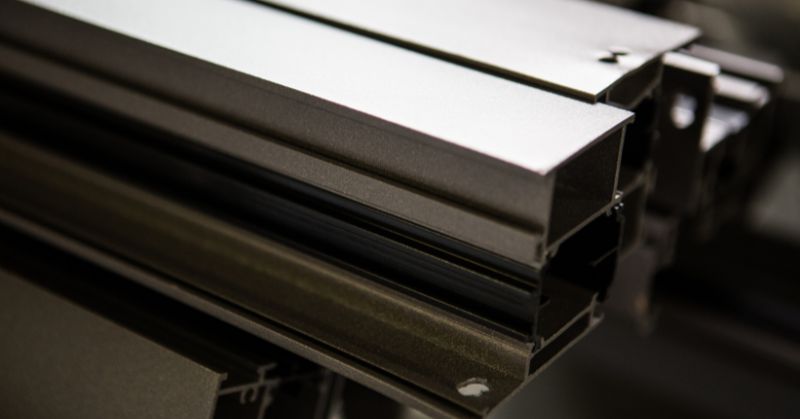
With proper anodizing or powder coating, extruded aluminum profiles can last decades without visible wear or rust. This long lifecycle not only reduces maintenance costs, but also aligns with the principles of sustainable, low-impact architecture.
In short: once it’s installed, it performs—quietly and reliably.
6. Enhanced Thermal Performance with Smart Profile Design
As energy efficiency becomes a regulatory and ethical priority, aluminum profiles are evolving to meet the challenge. Advanced thermal break technologies can now be integrated directly into the extrusion process, improving insulation without compromising strength.
These smart designs allow profiles to:
- Reduce thermal bridging
- Improve U-values
- Meet Passive House and LEED requirements
Especially in window and curtain wall systems, these profiles help buildings perform better year-round—cutting heating and cooling costs while maintaining visual clarity.
- Fully Recyclable and Eco-Friendly
Aluminum is one of the most recyclable materials on the planet. Recycled aluminum requires just 5% of the energy needed to produce new metal. That makes it a top choice for sustainable projects and architects committed to circular design.
By choosing advanced extrusion and responsible sourcing, builders can reduce carbon footprints without sacrificing performance or design intent.
Real-World Examples of Aluminum in Modern Architecture
- Commercial Towers: Slimline curtain wall systems made from custom profiles allow floor-to-ceiling glazing without heavy support structures.
- Cultural Centers: Complex façade designs using extruded fins for solar shading and visual texture.
- Residential Projects: Minimalist window frames and sliding systems that blur the line between indoor and outdoor space.
Aluminum makes these ideas possible—not just because it’s strong or lightweight, but because it adapts to the architect’s vision.
Final Thoughts: More Than Just Metal
Custom aluminum profiles are changing the way buildings look, feel, and function. With the support of advanced extrusion technology, architects can now turn ambitious concepts into durable, efficient, and beautiful realities.
Whether it’s for structural efficiency, thermal performance, or bold aesthetics, aluminum is no longer just a frame—it’s part of the future of design.