Leading a Manufacturing Factory
When it comes to any manufacturing facility, there is a direct correlation between productivity and cost. This affects profitability and performance in an increasingly competitive global marketplace. Achieving a competitive edge financially can be a significant factor for many manufacturing companies. Improving productivity is a central objective for most companies.
Bottlenecks should be identified, improvement opportunities can be evaluated and all processes can be reviewed and improved. Manufacturing productivity is the ratio of output to input, and the capability of production in relation to a given amount of input. Input includes a range of costs, in particular labor, capital resources, and natural resources.
Output is determined by the quantity, and quality of goods produced. Where there is market demand, manufacturers need to ensure they remain competitive, focus on continuous improvement, and identify productivity savings and efficiencies. Manufacturers activity exists within highly competitive markets and it is essential to effectively maximize all available resources such as facilities, equipment, people, materials, and tools.
A competitive manufacturing sector demands that methods can embrace all these resources, in order to enhance and improve productivity.
3 Methods to Enhance Manufacturing Productivity
In order to successfully enhance productivity, there are three essential methods that should always be considered. Reviewing all workflow processes is integral to understanding where productivity can be improved. Workflow reviews are key to ensuring continual improvement is both targeted and effective.
To do this successfully, accurate information gathered about employees, machinery and processes will be required. Issues such as waste, bottlenecks, labor and material inefficiencies can be easily identified. Updating manufacturing processes and techniques is also an essential process to improve productivity.
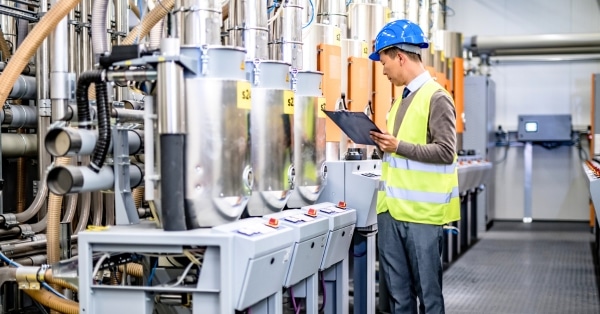
For example, the use of smart technologies has enabled central blending methodology to be successfully incorporated, in order to optimize the use of manufacturing materials, and minimize any waste materials in plastic manufacturing. Investment in the most up-to-date equipment and machinery can ensure that the efficient use of raw materials and for waste material to be avoided completely. Investment in employee analysis, feedback and relative employee training is critical to enhancing productivity.
Employee audits can help ensure that the most beneficial training is targeted to key employees. There will be both financial and time cost considerations, however, the productivity benefits will accrue over the longer term. The skills and ability of people drive company growth. Improving the extent of employee’s skill-base is central to enhancing productivity.